
CHOOSING YOUR WOOD SPECIES
Wondering what species of wood is the best for your project? Here is an overview of some elements to keep in mind when selecting wood types. If you have any questions about which wood species is right for you, send us an email and we can lead you in the right direction.
HARDWOOD
HARDWOOD
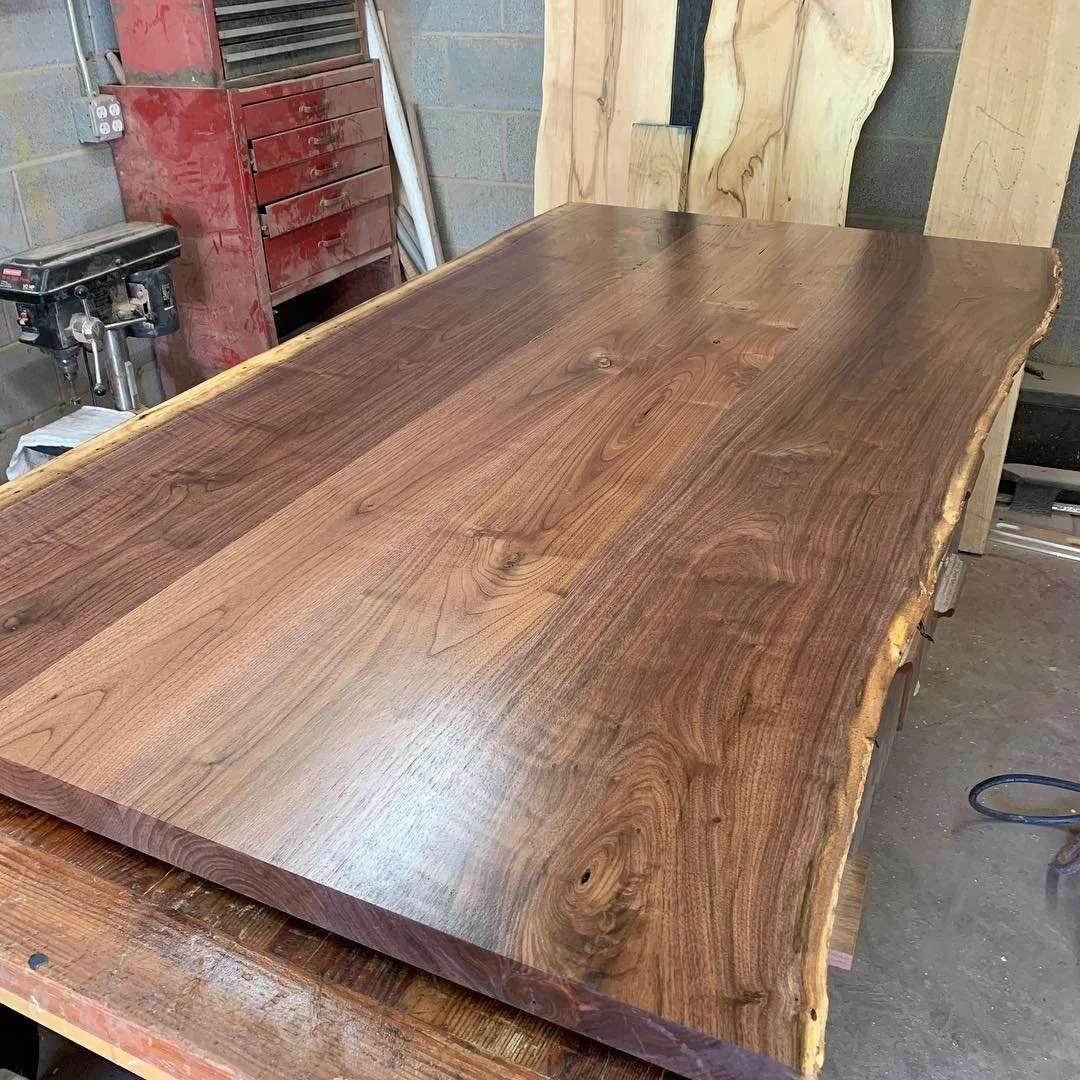
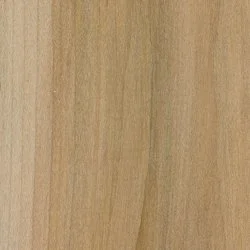
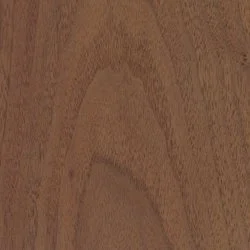
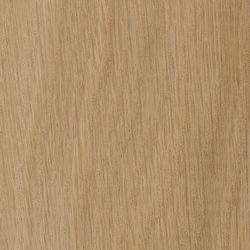
QUALITIES: HARDER, MORE DURABLE, LESS PITCH, GREATER DIMENSIONAL STABILITY, LESS LIKELY TO DENT OR MORPH, HOLDS NAILS AND SCREWS BETTER.
This means hardwood will stand better against wear and tear, and temperature fluctuations, and will expand and shrink less over the years. Hardwoods are more expensive but worth the investment as they will stand the test of time. They have tighter grain structures which enable them to repel moisture and keep its quality intact from warping or denting.
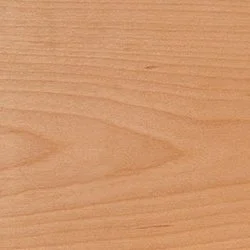
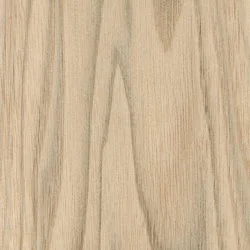
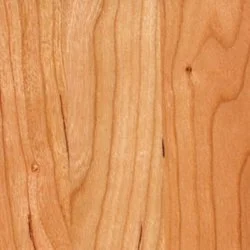
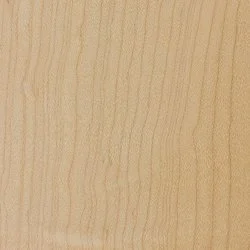
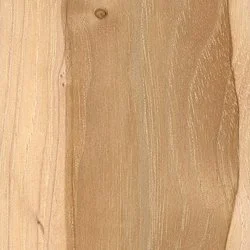
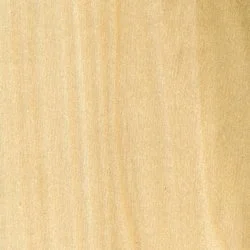
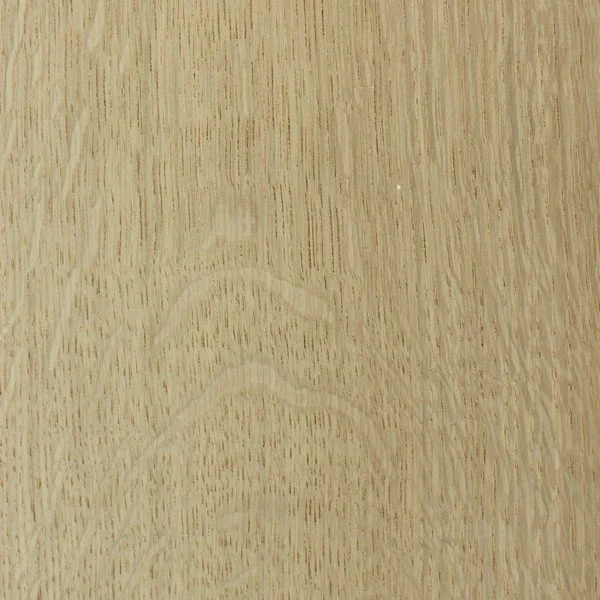
SOFTWOOD
SOFTWOOD

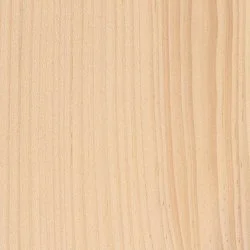
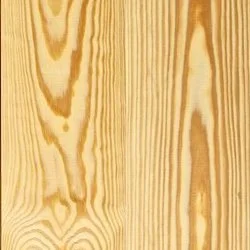
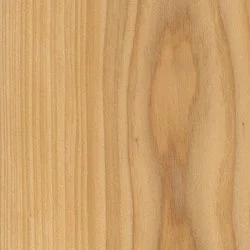
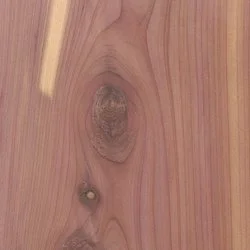
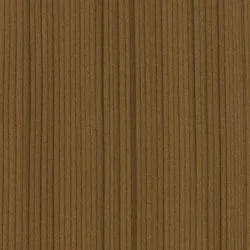
QUALITIES: LESS EXPENSIVE, LESS DURABLE AND WEAKER, SPLIT EASIER AND QUICKLY, STRAIGHT FIBER AND GOOD TEXTURE, LIGHTER IN COLOR AND WEIGHT, EASIER TO WORK WITH.
This means softwood is more malleable and easier for woodworkers to work with and use. However, its longevity does not compare to hardwoods as softwoods are lower in density. Overall softwoods have good tensile strength yet weak shear strength. They also have more difficulties withstanding hotter than average temperatures. Softwoods are less expensive than hardwoods because they grow more quickly. They are softer in texture and dent and scratch more easily. The benefits of softwood are they do have lighter coloring and have great character and knots.
JANKA
HARDNESS SCALE
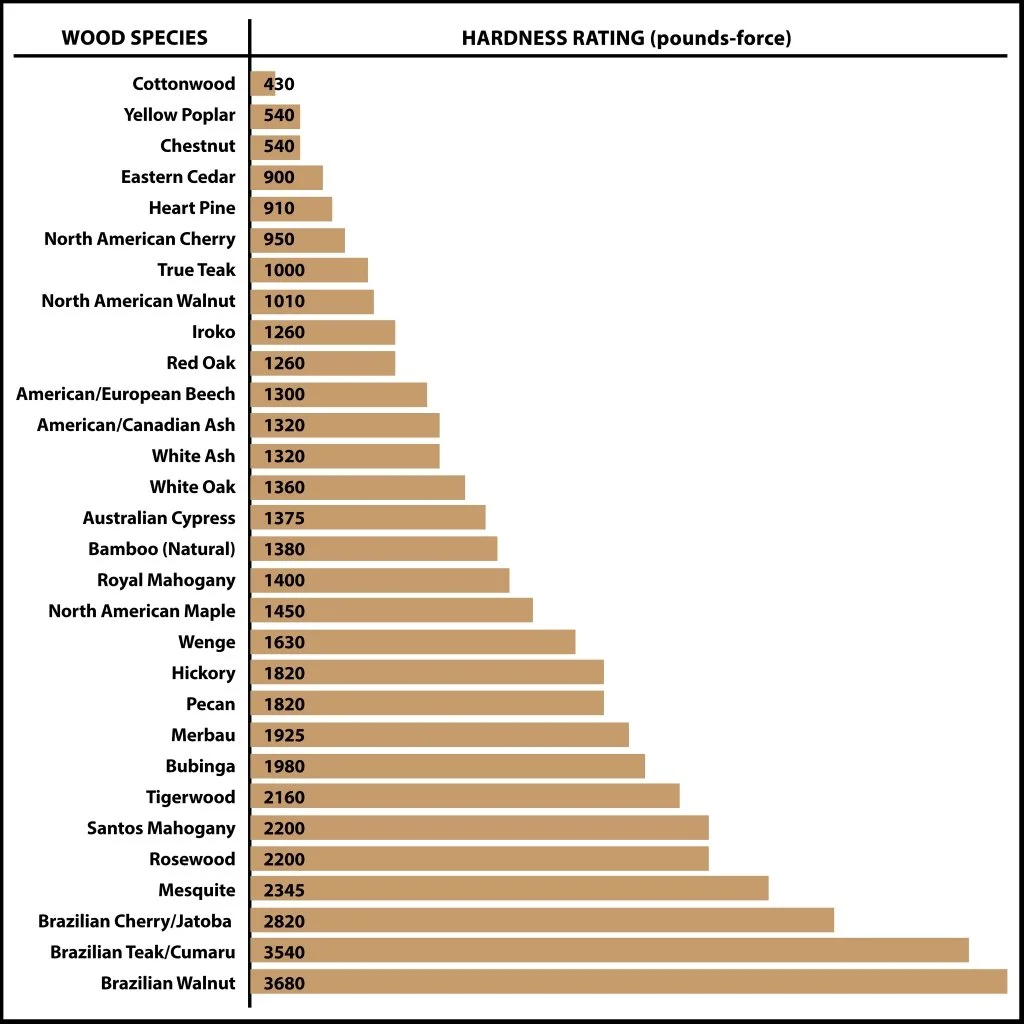
The Janka Hardness Scale is used to measure the relative hardness of wood. The Janka rating scale was created to rank the various degrees of hardness throughout the different species of hardwoods. To find this number, a steel ball is pushed halfway into a 2” x 2” x 6” wood plank. The number of pounds per square inch (PSI) needed to push the steel ball into the wood determines the Janka rating.
The Janka rating provides insight into a wood’s hardness, but beyond that, it’s not always a single measure of the longevity of your wood design. No matter how hard the wood is, you will need to properly maintain and care for it to keep it looking its best over time.
When discussing wood projects speak to a professional woodworker and they can help you find the best wood for your project and goals.